The March "Skill-Up" Season
Many skiers believe that once February ends, the best conditions are gone. On the contrary, March offers a unique pedagogical opportunity. In a single day, you can experience everything from firm, wintry corduroy in the morning to soft, forgiving slush in the afternoon. To ski well in March, you need more than just a lift pass; you need Tactical Adaptability.
This guide focuses on the technical skills required to navigate "Transitional Snow" and how to use March’s long daylight hours to fix lingering bad habits in your form.
Managing the "Freeze-Thaw" Cycle (Technical Skill)
In March, the snow undergoes a dramatic daily cycle. Mastering this cycle is the hallmark of an advanced skier.
-
Morning: The Art of the Edge. When the sun hasn't hit the slopes, the snow is often "injected" or hard-packed ice. The key skill here is Early Edge Engagement. You must move your center of mass inside the turn earlier than you would in mid-winter powder to ensure your edges bite before the skid starts.
-
Afternoon: The "Light" Touch. As the temperature rises, the snow becomes heavy and "grabby." If you try to force a turn, the snow will fight back. The skill to master here is Retraction (Absorption) Turns. Instead of pushing against the snow, allow your legs to retract toward your chest at the end of the turn to release the pressure, preventing your skis from getting bogged down in the slush.
Precision in the "Slush Bumps"
By March, many runs develop soft moguls known as "slush bumps." These are the perfect environment to practice Line Choice.
-
The Skill: Instead of skiing the "troughs" (the deep ruts), which are often icy in March, practice skiing the "Shoulders" of the bumps. The snow there is softer and more consistent.
-
Drill: Focus on a quiet upper body. Your legs should be moving like independent pistons, absorbing the soft piles of snow while your head stays on a level plane. This builds incredible core stability that will pay dividends next winter.
High-Altitude Destinations for Skill Progression
Based on the Skisafari guide, certain resorts are "Skill Hubs" in March due to their altitude and snow-making capabilities.
-
Ischgl, Austria: With the majority of its terrain above 2,000m, Ischgl provides the most consistent "firm-to-soft" transition in Europe. It’s the best place to practice high-speed carving on North-facing slopes.
-
Revelstoke, Canada: Known for its massive vertical drop, Revelstoke allows you to practice Climate-Zone Adaptation. You can start in freezing winter conditions at the top and finish in spring slush at the base—all in one run.
-
The Three Valleys, France: The sheer scale allows you to "follow the sun." You can ski the East-facing slopes in the morning and transition to the West-facing slopes in the afternoon, maximizing your time in the "Sweet Spot" of perfectly softened snow.
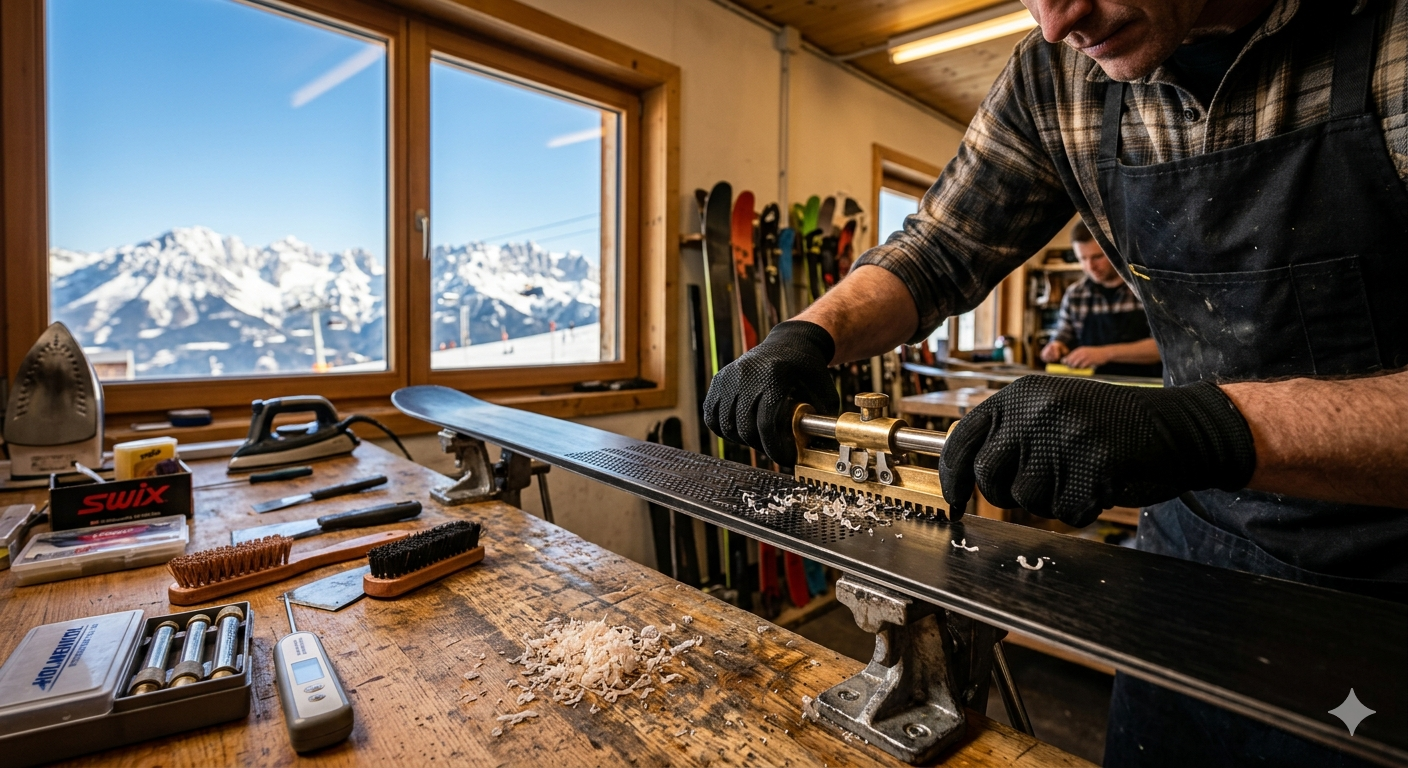
The March Maintenance Skill (Equipment)
An expert skier knows that their equipment must change with the season.
-
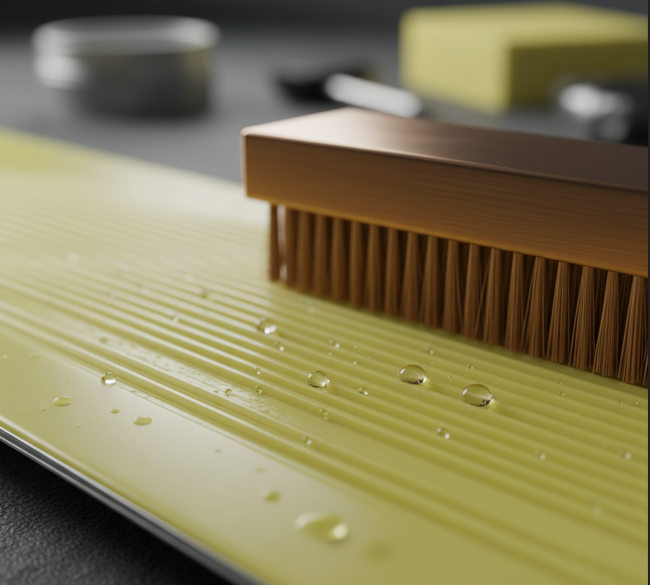
The Skill: Wax Management. The high water content in March snow creates a "suction cup" effect under your skis. Mastering the use of Spring Structure (grinding vertical grooves into the base) and High-Fluorocarbon Waxes is essential. If your skis feel slow, your technique will suffer as you over-compensate with muscle force.
Don't Just Ski, Evolve
March is not the end of the season; it is the beginning of your technical evolution. By learning to adjust your edge timing for morning ice and your absorption for afternoon slush, you develop a level of "snow feel" that fair-weather skiers will never possess. Use this month to challenge yourself, change your wax, and chase the sun across the world’s best high-altitude resorts.
-
-
Ready to Hit the Slopes?
Visit Arizona Snowbowl for an unforgettable skiing experience
[Affiliate Link Placeholder - Book Your Trip]