The DNA of an Expert Skier
Skiing at an expert level is often misunderstood as simply "skiing faster." However, true mastery—the kind required to navigate the legendary vertical drops of Jackson Hole or the rugged backcountry of Verbier—is about precision, adaptability, and tactical intelligence.
When you move from groomed red runs to "double black diamonds," the margin for error vanishes. This guide deconstructs the specific physical and mental skills you need to develop to stop surviving these slopes and start commanding them.
The Physics of the Steeps (Steep Terrain Technique)
Steep skiing is as much a mental game as a physical one. On slopes exceeding 40 degrees, your natural instinct is to lean back toward the mountain (the "uphill" side). This is the "intermediate trap."
-
The Skill: Projecting the Center of Mass. To maintain edge grip on a steep face, you must consciously project your upper body down the fall line. Think of it as "reaching for the valley."
-
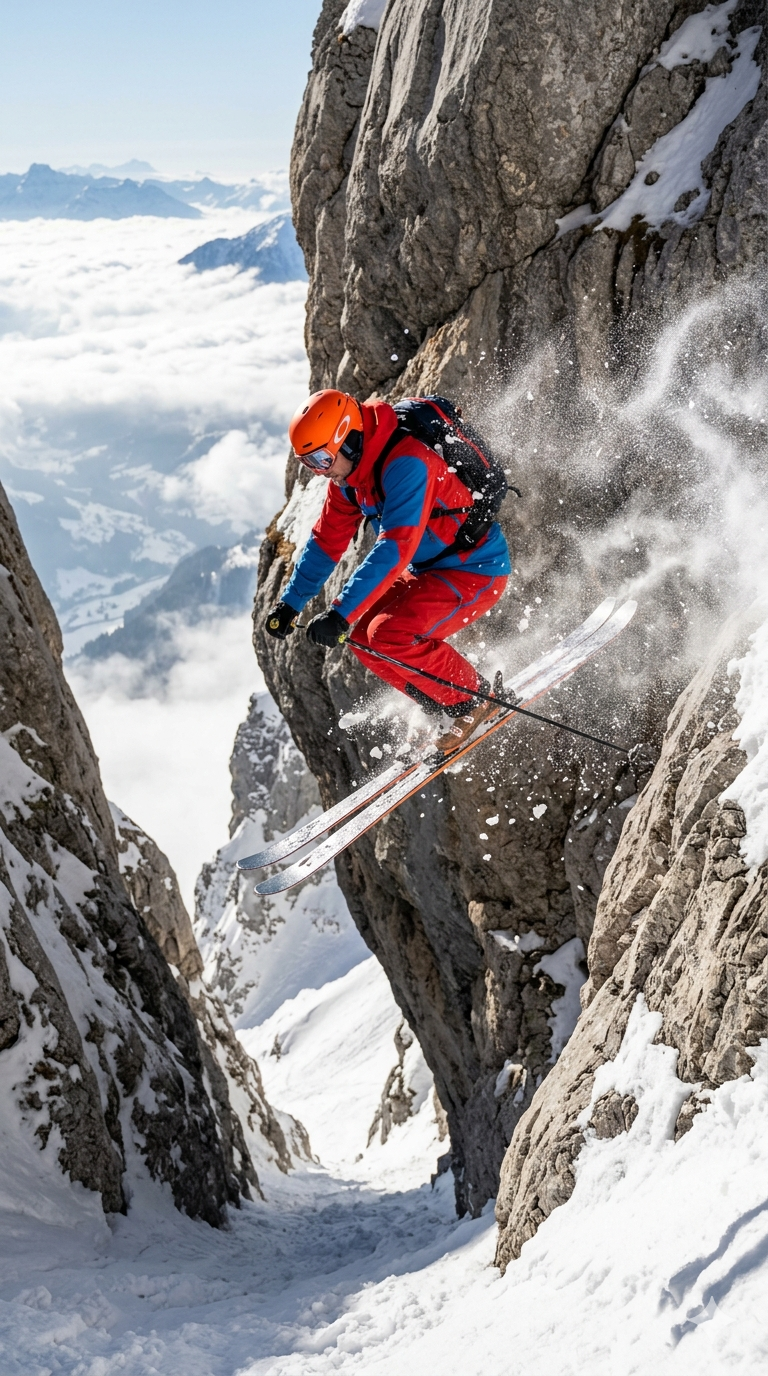
Technical Drill: The Pedal Turn. In narrow couloirs where a traditional carved turn is impossible, you must master the pedal turn. This involves a forceful extension of the downhill leg to "hop" the tails of the skis around, pivoting on the tips. It is the gold standard for navigating tight, high-consequence chutes.
Rhythm and Absorption in the Moguls
Mogul fields, like those found in Winter Park’s Mary Jane, are the ultimate test of a skier's lower-body independence.
-
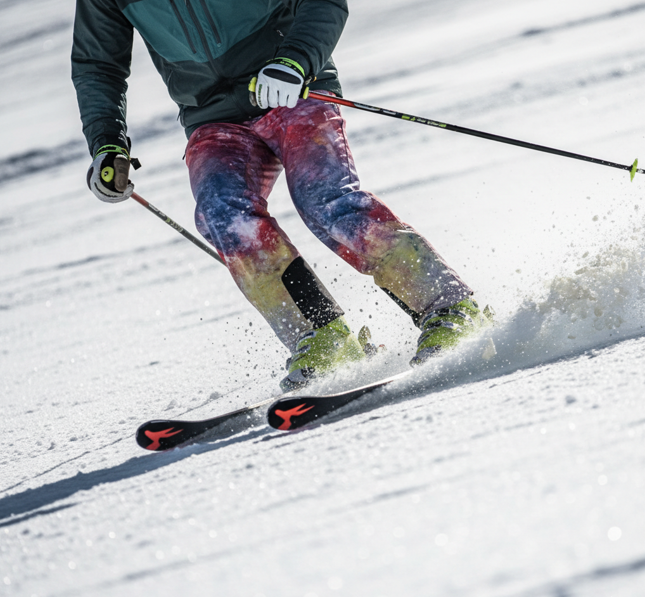
The Skill: Independent Leg Action. Most skiers turn their whole body; experts keep their torso rock-steady while their legs act like long-travel pistons.
-
Technical Focus: The "Low Line" vs. "High Line." Intermediate skiers often skid over the tops of bumps. The expert skill is to ski the "troughs"—the blue grooves between the bumps—using the backside of each mogul to control speed through friction rather than braking.
-
The Pole Plant Timing: In moguls, your pole plant is your heartbeat. It must be rhythmic and precise, occurring exactly at the moment your skis reach the crest of the bump to initiate the next transition.
High-Speed Stability in Variable Snow
Resorts like Revelstoke and Whistler Blackcomb are famous for their "big mountain" terrain, which often features "variable" snow—a mix of powder, crust, and wind-packed drifts.
-
The Skill: The Wide Platform. In inconsistent snow, a narrow stance is a liability. You must develop a wider, more stable platform where both skis share the pressure 50/50. This prevents one ski from diving while the other stays on the surface.
-
Tactical Vision: Pro skiers look 30 to 50 feet ahead. By identifying snow color and texture changes (shiny ice vs. matte powder) from a distance, you can adjust your edge angle before you hit the transition.
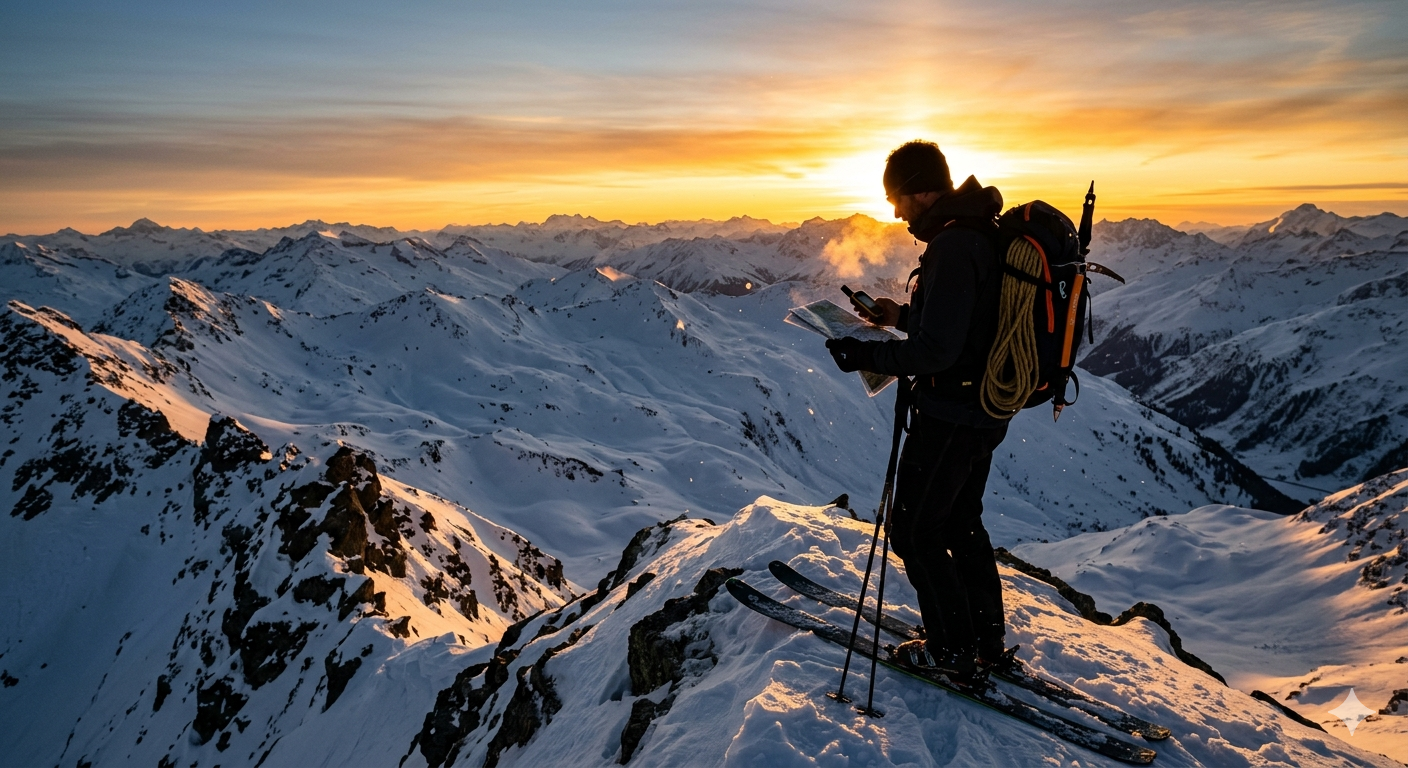
The Backcountry Mindset (Off-Piste Safety)
Expert skiing is inextricably linked to mountain safety. Places like St. Anton offer incredible off-piste access that requires a different set of non-physical skills.
-
Terrain Recognition: You must learn to "read" the snowpack. Understanding how wind-loading creates "slabs" on leeward slopes is a survival skill.
-
The Skill of Retreat: The hallmark of a true expert is the ability to look at a line and say "not today." Emotional control is a technical skill in high-altitude environments.
Your Path to Mastery
Technical growth in skiing doesn't happen by accident. It happens through deliberate practice. Take these skills—the downward projection in the steeps, the piston-like absorption in the moguls, and the tactical vision in variable snow—and apply them one by one.
The world's most challenging resorts are not just holiday destinations; they are the classrooms where the best skiers are forged. Are you ready to enroll?
Ready to Hit the Slopes?
Visit Arizona Snowbowl for an unforgettable skiing experience
[Affiliate Link Placeholder - Book Your Trip]