More Than a Sport, It’s a Birthright
In Norway, they say children are born with skis on their feet. But skiing "the Norwegian way" isn't just about genetic luck; it’s a specific set of skills, a unique rhythm, and a philosophy called Friluftsliv (open-air living). While the rest of the world views skiing as a high-octane adrenaline rush, the Norwegians view it as a sustainable, lifelong dialogue with nature.
To ski like a Norwegian, you must master three distinct domains: Technical Efficiency, Environmental Adaptability, and The Endurance Mindset.
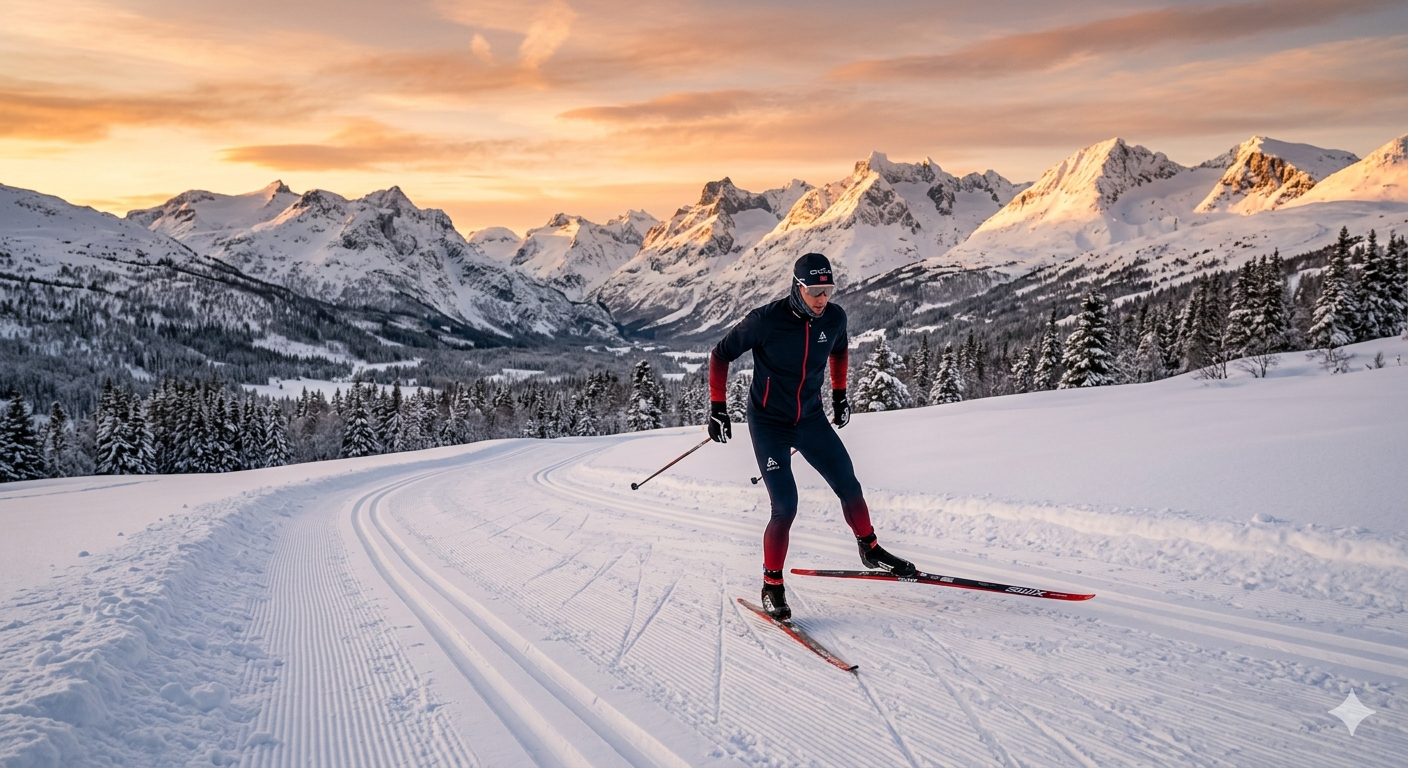
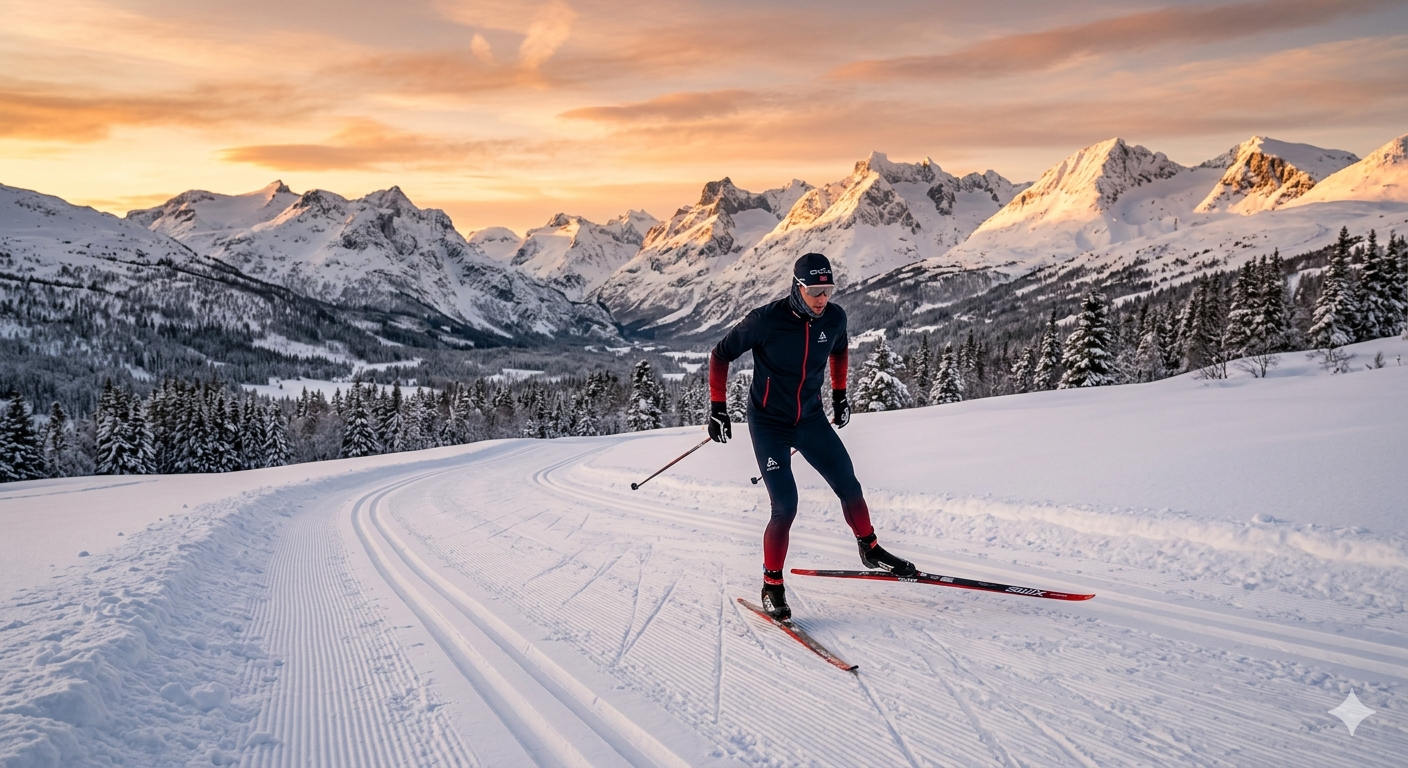
1. The Technical Foundation: The "Kick and Glide"
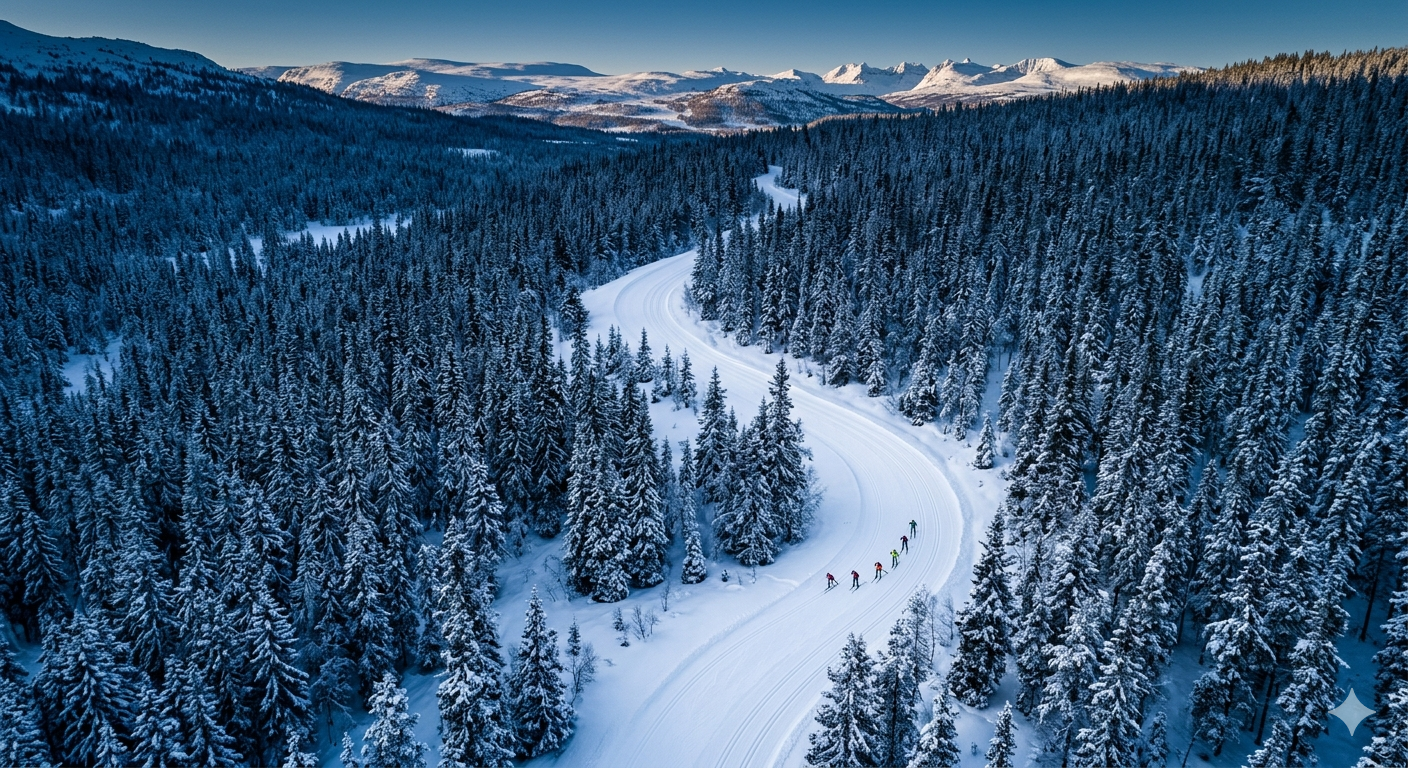
Whether you are on skinny Nordic skis or carving down a piste in Hemsedal, the Norwegian style emphasizes "minimum effort, maximum displacement."
The Skill of the Weight Transfer: Most beginners "walk" on skis. Norwegians "glide." The secret lies in a 100% weight transfer from one ski to the other.
-
The Drill: Practice gliding on a flat surface with one ski. Your goal is to balance on a single leg for at least three seconds before the next "kick."
-
The Benefit: This saves up to 30% of your energy, allowing you to traverse the vast vidda (plateaus) for hours without fatigue.
2. Alpine Grace: The "Telemark" Heritage
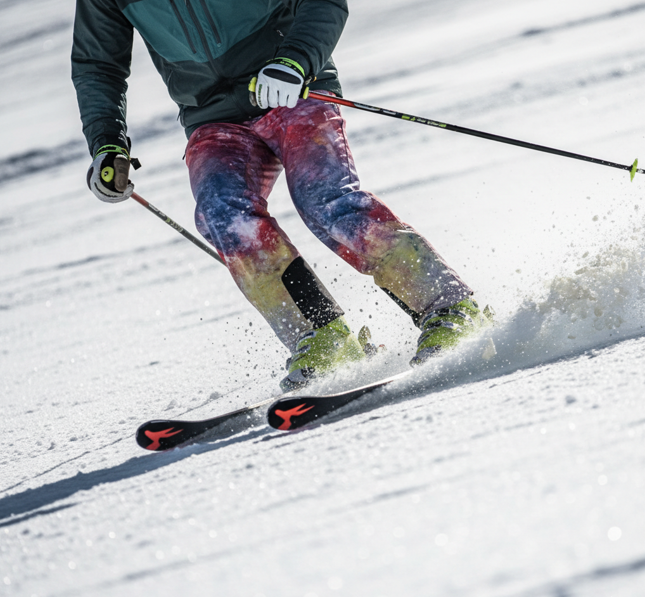
Even in downhill (Alpine) skiing, the Norwegian influence is felt through the Telemark turn—the original "free heel" technique. Even if you use fixed-heel bindings, adopting the Telemark spirit improves your Dynamic Balance.
-
Skill Focus: Leading with the outside ski and maintaining a flexible, "active" knee.
-
Norwegian Tip: Norwegians rarely "fight" the mountain. They follow the natural fall line, using subtle weight shifts rather than aggressive edge hacking.
3. The Art of "Fika" and "Kvikklunsj": Managing Thermal Energy
Skiing the Norwegian way involves technical "Pause Management." You cannot perform if your core temperature drops.
-
Layering Skill: Mastering the "Wool-Power." Norwegians rarely wear heavy parkas while moving. They use thin Merino layers to wick sweat, preventing the "chill-down" during breaks.
-
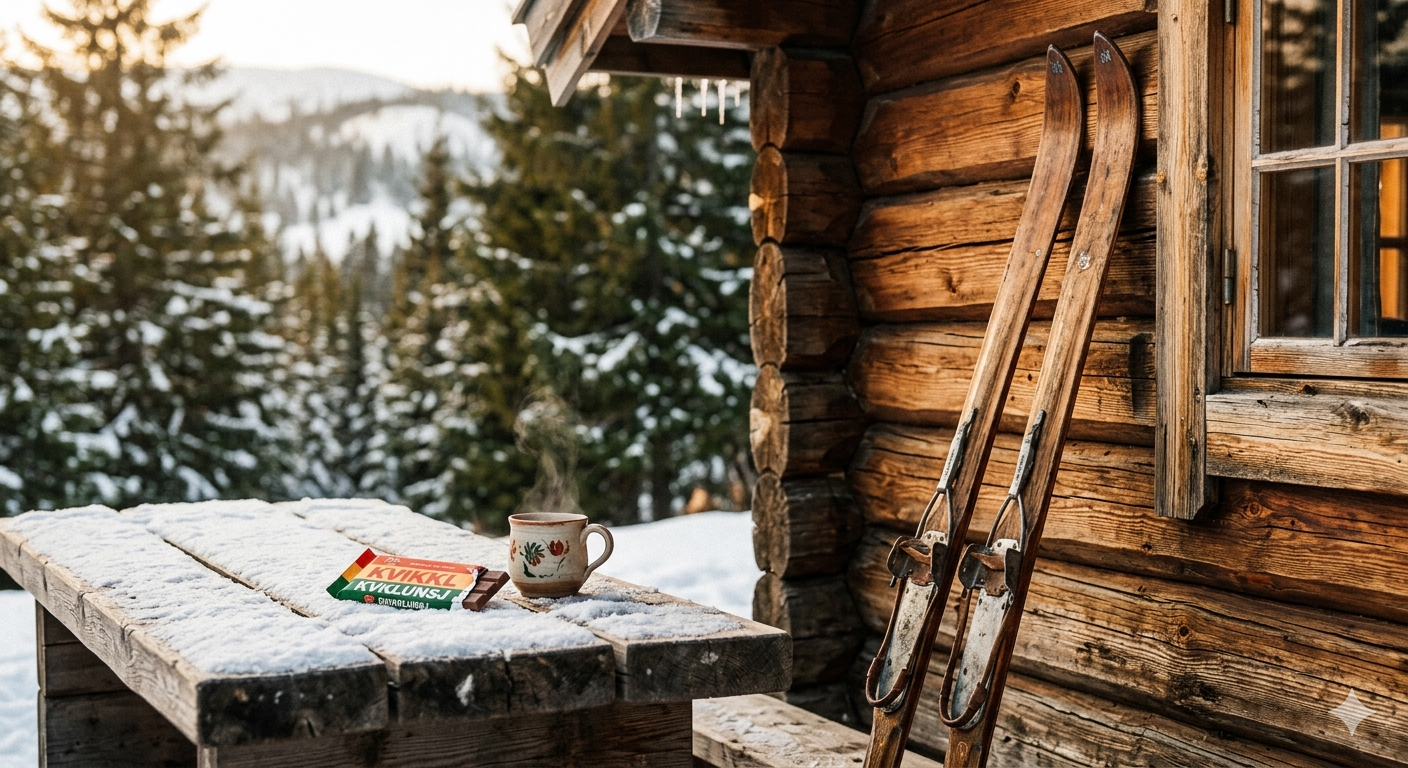
Nutrition: The "Kvikklunsj" (a famous chocolate wafer) isn't just a snack; it's a timed glucose spike. Learn to eat before you feel the "bonk" (exhaustion).
4. Safety and Navigation: Respecting the Mountain Code
Norway’s terrain is beautiful but brutal. A key skill is Situational Awareness.
-
The Mountain Code (Fjellvettreglene): This is a set of 9 rules every Norwegian knows by heart.
-
Key Skill: Never be ashamed to turn back. In Norwegian culture, "turning around" is a sign of an expert, not a quitter.
5. The "Friluftsliv" Mindset: Skill Beyond the Physical
The ultimate skill is psychological. It’s moving away from "How fast can I go?" to "How long can I stay out?"
By slowing down the tempo to approximately 120–140 BPM (metaphorically), you align your heart rate with a sustainable fat-burning zone. This is why you see 80-year-olds in Norway skiing 20 kilometers—they aren't racing the clock; they are participating in the landscape.
Conclusion: Bringing Norway Home
You don't need to be in Lillehammer to ski the Norwegian way. You simply need to prioritize efficiency over speed, wool over synthetics, and nature over the leaderboard. Next time you hit the snow, focus on that one-second longer glide. Feel the weight transfer. Breathe in the cold air. You aren't just skiing; you are practicing an ancient art of survival and joy.
Ready to Hit the Slopes?
Visit Arizona Snowbowl for an unforgettable skiing experience
[Affiliate Link Placeholder - Book Your Trip]