Why April is the Pro’s Proving Ground
While most casual skiers pack away their gear in March, the true aficionados know that April is when the real fun begins. Between the sun-drenched terraces and the unique texture of "corn snow," spring skiing offers a playground for skill development that mid-winter ice simply cannot match. To ski well in April, you don't just need a lift pass—you need a specific set of technical adjustments and a strategic mindset.
Chapter 1: The Technical Art of "Corn Snow" Mastery
In April, the snow undergoes a rapid transformation cycle: from morning ice to perfect "corn" (small, round ice crystals) at noon, and finally to heavy "slush" in the afternoon.
-
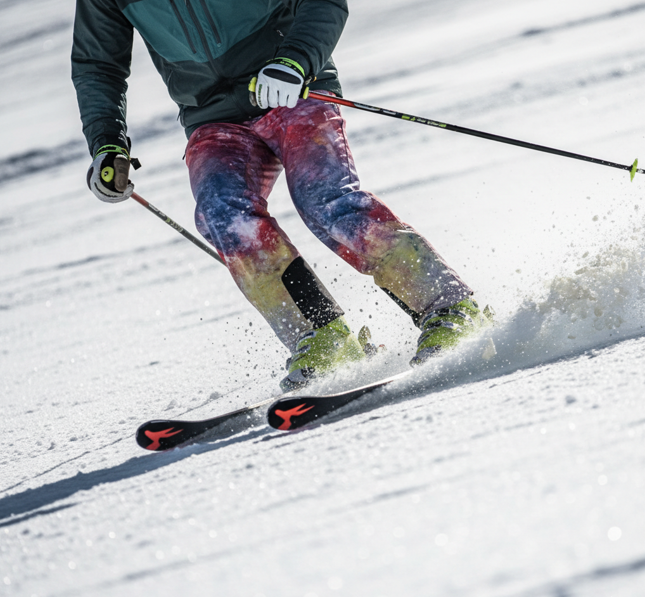
Dynamic Balance & Weight Distribution: Unlike powder where you lean back, or ice where you drive forward, spring slush requires a centered, athletic stance. You must keep your shins pressed against the front of your boots to maintain steering control through heavy, wet snow, but be ready to absorb bumps with a "supple" lower body.
-
The "Rounder" Turn: In sticky afternoon snow, aggressive, short-radius turns can cause your edges to "hook" or "catch," leading to knee strain. The key skill is to lengthen your turn radius. Think about drawing long, smooth "S" shapes to maintain momentum and slice through the slush without losing speed.
Chapter 2: Terrain Strategy – "Chasing the Sun"
A crucial skill for the April skier is "Sun Mapping." Navigating a resort in the spring is a race against the clock:
-
East-Facing Slopes (Morning): These catch the first rays. Target them around 10:00 AM when the night-time ice begins to soften into a buttery carving surface.
-
North-Facing Slopes (Afternoon): When the south-facing runs turn into "mashed potatoes" by 2:00 PM, head to the north faces. These areas receive less direct sunlight and retain a firmer, more winter-like consistency.
Chapter 3: Equipment Secrets – The "Wax and Structure" Factor
If you feel like your skis are "suctioned" to the snow in April, it's not your lack of skill—it's physics.
-
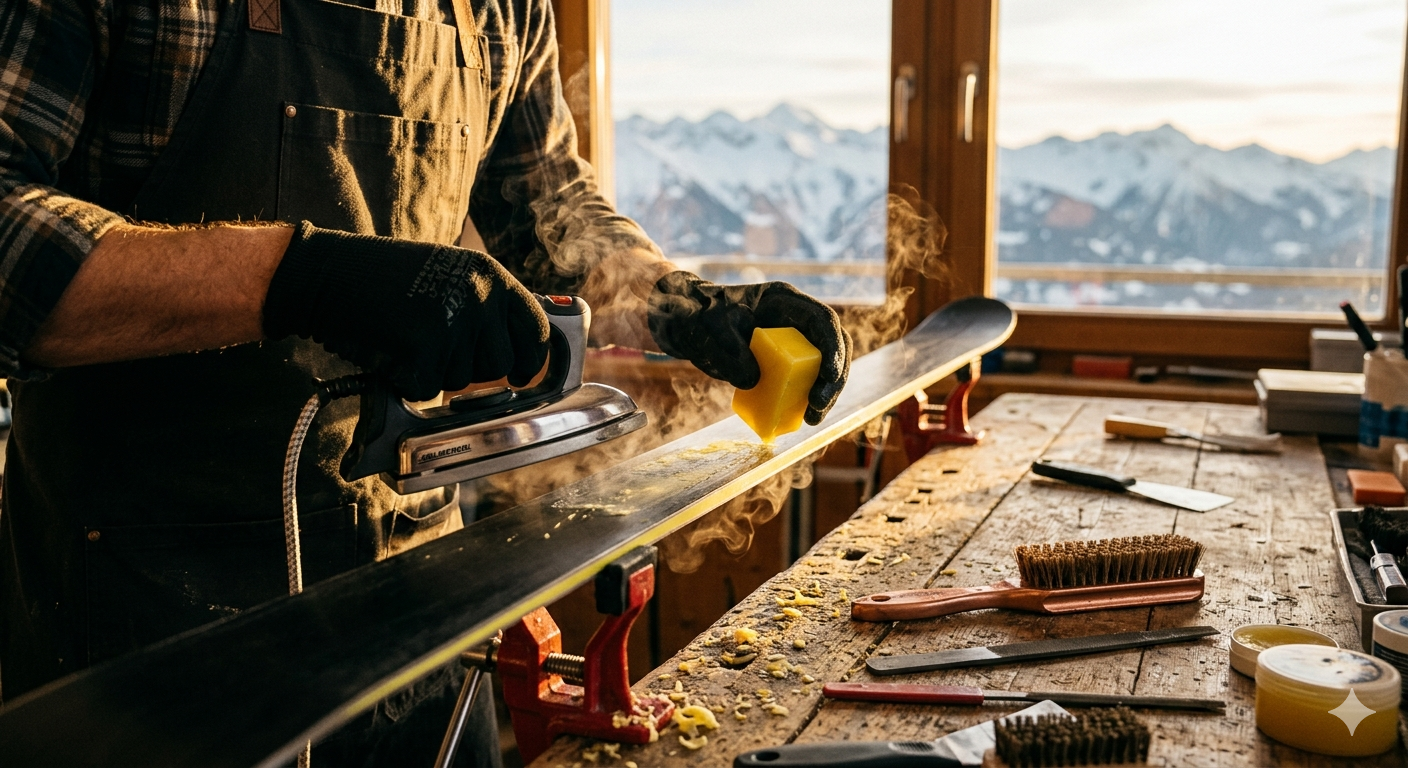
Warm Weather Wax: Standard "all-temp" wax won't cut it. You need high-fluorine or warm-temperature wax (Yellow or Red) designed for high water content.
-
Base Structuring: Professional racers use a structuring tool to create tiny longitudinal grooves in the base of the ski. This breaks the surface tension of the water film, preventing that "stuck" feeling and allowing for effortless gliding.
Chapter 4: Top April Destinations for Skill Practice (Based on Skisafari)
-
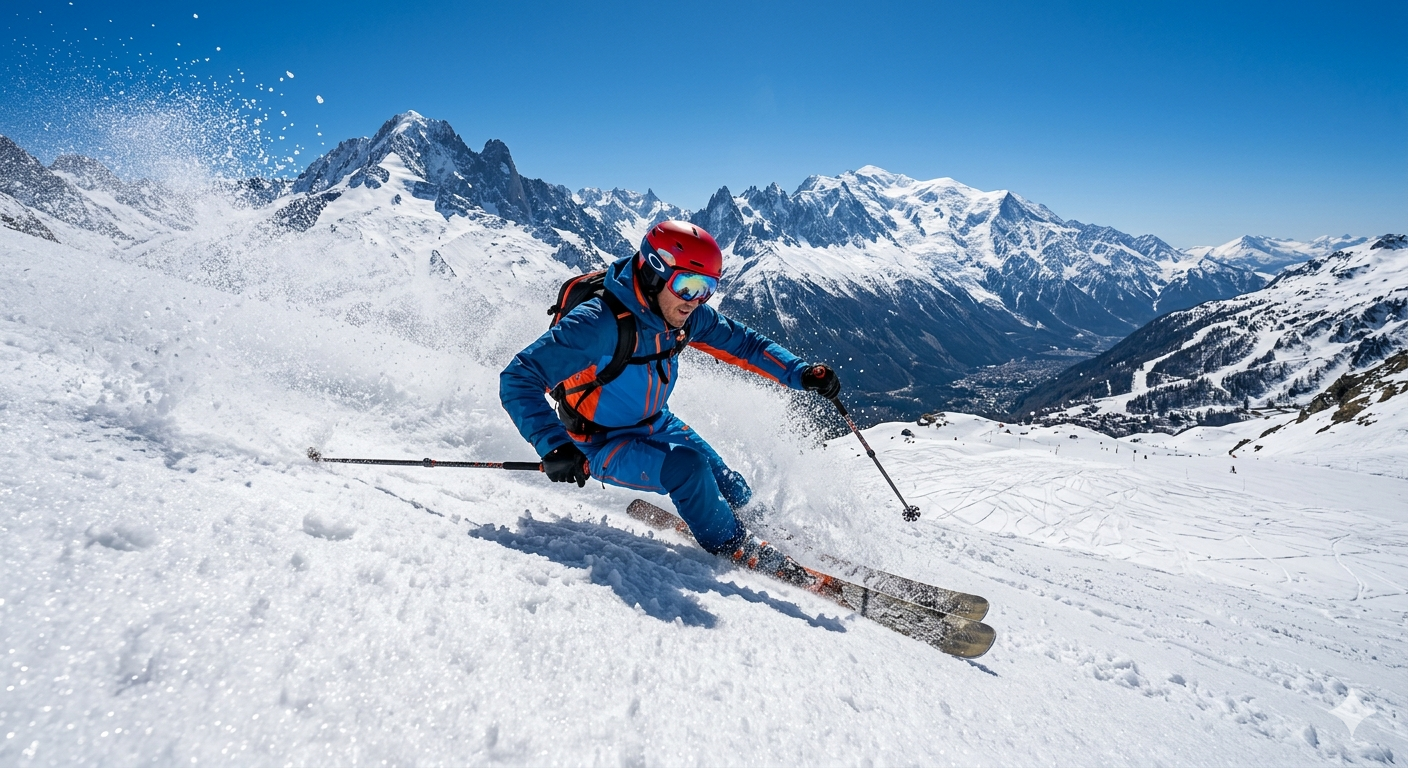
Val Thorens, France: As the highest resort in Europe, its altitude ensures the snow stays "technical" rather than just "melted." Perfect for high-speed carving late into the season.
-
Åre, Sweden: The Arctic light in April is legendary. With longer days, you can practice endurance skiing and enjoy firm snow conditions that last much longer than in Central Europe.
-
Whistler Blackcomb, Canada: Known for its massive vertical drop, it allows you to practice "multi-condition skiing"—winter conditions at the peak and spring slush at the base in a single run.
Chapter 5: Safety & Recovery – The Spring Survival Kit
-
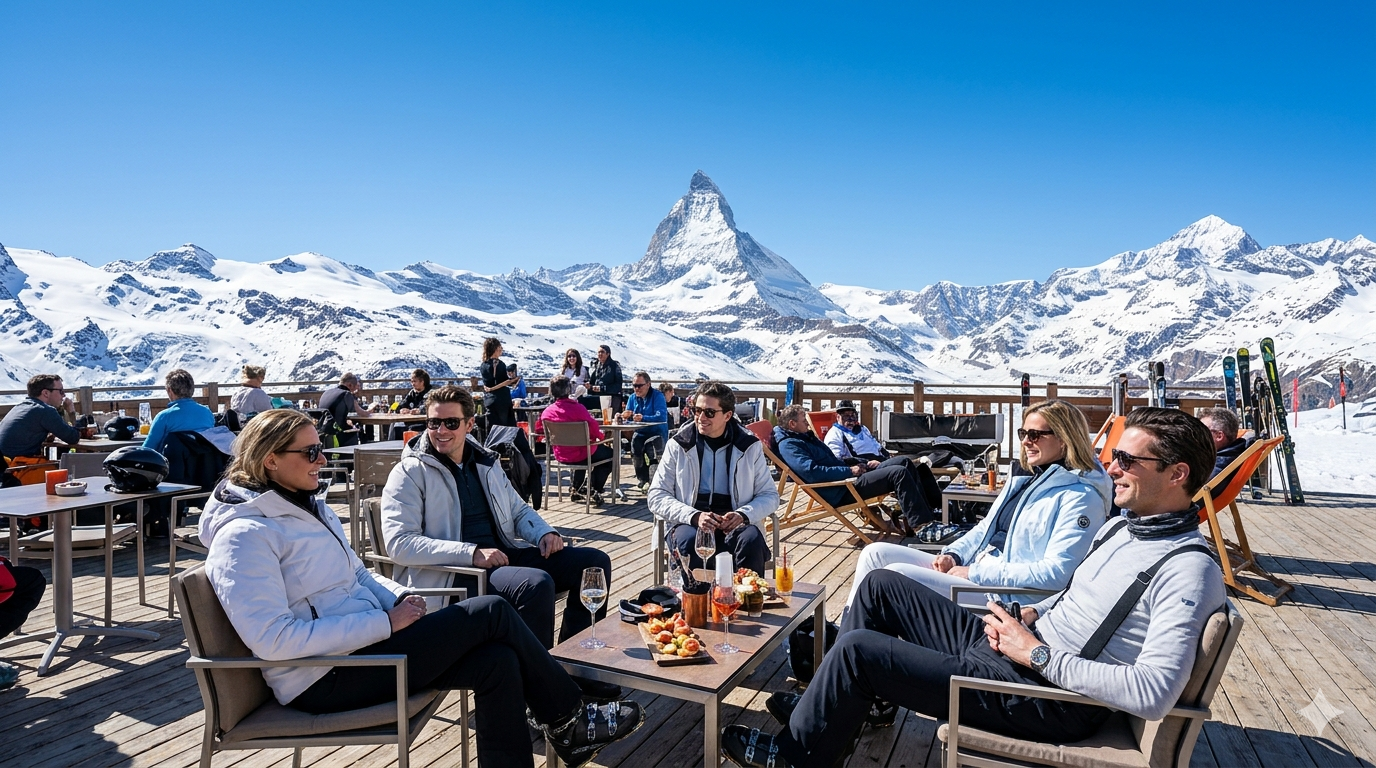
UV Management: Snow reflects up to 80% of UV rays. April sun is deceptive. High-altitude sunblock and Category 3 goggles are essential "gear" for your safety.
-
Hydration & Electrolytes: You sweat significantly more in 10°C (50°F) mountain weather. Managing your physical output through proper hydration is a skill that prevents late-afternoon fatigue and injury.
-
-
Ready to Hit the Slopes?
Visit Arizona Snowbowl for an unforgettable skiing experience
[Affiliate Link Placeholder - Book Your Trip]