The "End-of-Season" Gear Hustle: Don’t Get Scammed by Clearance Stock
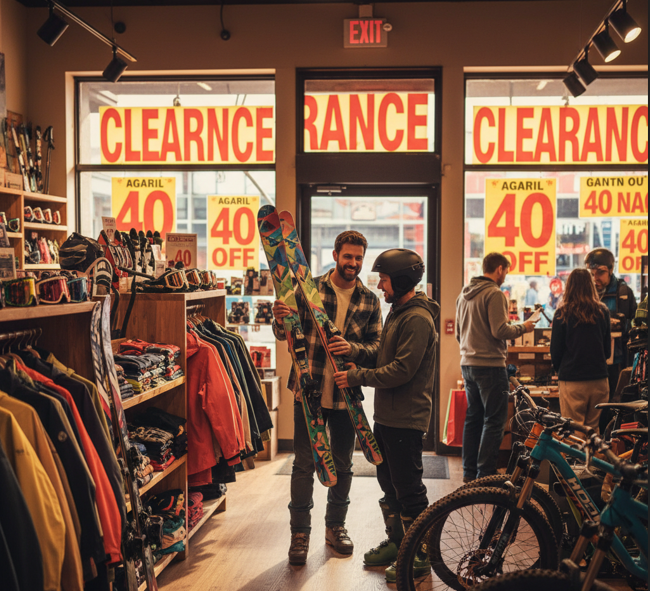
It’s the April paradox. On one hand, the snow is melting, and the industry is screaming "CLEARANCE" at the top of its lungs. On the other, the 2026 gear you’ve been eyeing all winter is finally hitting the "Sales" rack. It feels like the perfect time to strike, but behind those bright red 40% OFF stickers lies a psychological minefield.
Retailers are in "inventory purge" mode. They aren't just selling you gear; they are trying to reclaim floor space for mountain bikes. If you aren't careful, you’ll walk out with a "great deal" on a ski that’s too short, a boot that’s too soft, or a model that was actually a lemon.
The Promise: In this guide, we provide a raw, real-world review of the top 2026 performers in spring conditions and arm you with the technical knowledge to spot a "stock dump" from a mile away.
1. Product Breakdown: 2026 Top Performers in the Slush
We spent the last three weeks at Mammoth and Whistler testing the "Big Names" of 2026 in 50°F temperatures. If you’re hunting for these in the clearance bins, here is how they actually handle the "Heavy Cream."
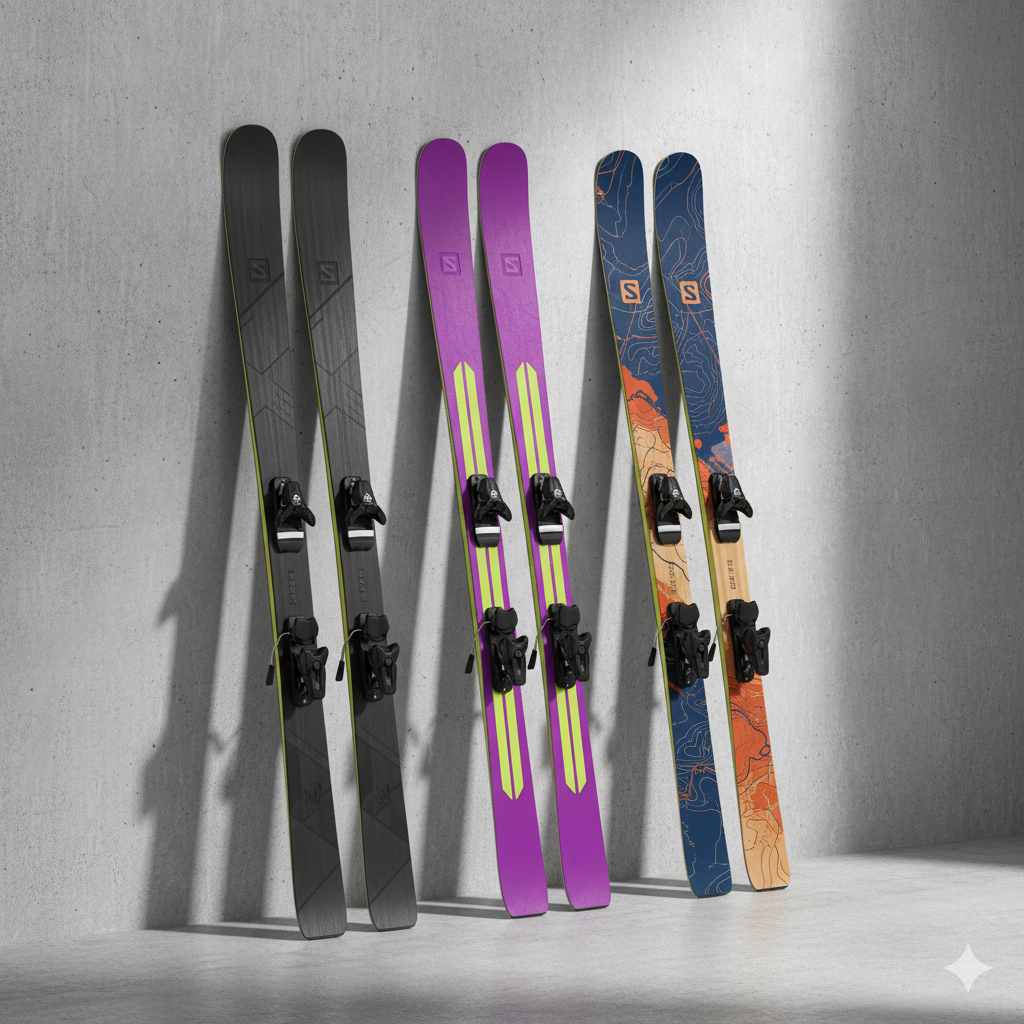
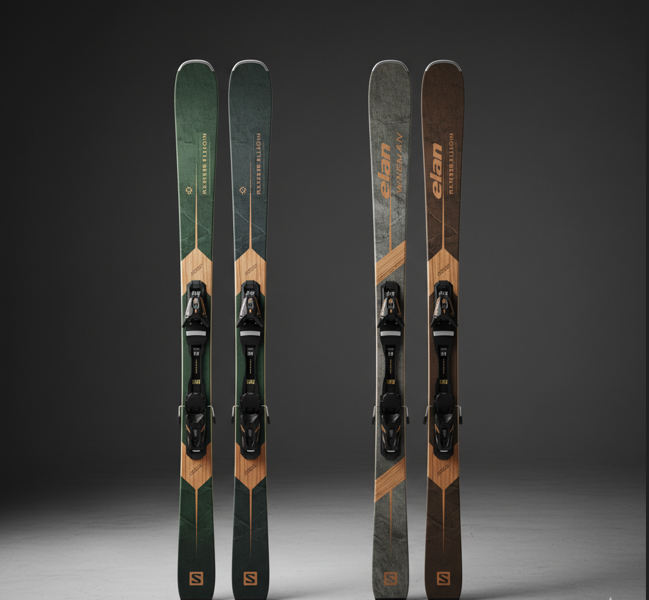
Salomon QST 98 (2026 Edition)
-
The Verdict: The king of the "spring transition." The 2026 model features a refined cork-damplifier in the tip that feels significantly more stable in high-moisture snow than the 2025 version.
-
Spring Performance: While many skis "suction" to the slush, the QST 98’s rocker profile keeps it on plane. It’s wide enough to surf the afternoon mashed potatoes but narrow enough to hold an edge on the 9:00 AM refreeze.
-
Buying Tip: Look for "Demo Sale" versions of these. They are built like tanks and often just need a fresh wax to look brand new.
Elan Wingman 86 CTi
-
The Verdict: The ultimate "Morning Warrior." If you are a front-side carver who quits when the snow gets too soft, this is your ski.
-
Spring Performance: The Amphibio profile (dedicated Left and Right skis) makes initiating turns on icy morning groomers effortless. However, once the slush gets deeper than 4 inches, the 86mm waist starts to struggle.
-
Buying Tip: Shops often have these in overstock because people gravitate toward "wider" skis. You can often find these below MAP (Minimum Advertised Price) if you ask the manager for a "bundle" price.
2. The "Short Ski" Debate: Avoiding the Dead Stock Trap
Here is a dirty secret of the April hustle: Shops sell what they have, not what you need.
By April, the most popular ski lengths (170cm–180cm for men, 155cm–165cm for women) are usually sold out. What’s left? The "outliers"—usually the 150cm and 190cm lengths.
-
The Scam: A salesperson tells you, "Hey, this 160cm ski is actually better for spring! It’s easier to pivot in the heavy slush!" * The Reality: They are trying to move "dead stock." A ski that is too short for your weight and speed will feel unstable and "twitchy" in heavy spring snow. It won't have enough surface area to break the suction of the water-logged snowpack.
-
Technical Check: Always check the manufacturer's size chart on your phone before you buy. If you’re a 180cm skier, do not settle for a 172cm just because it's 50% off.
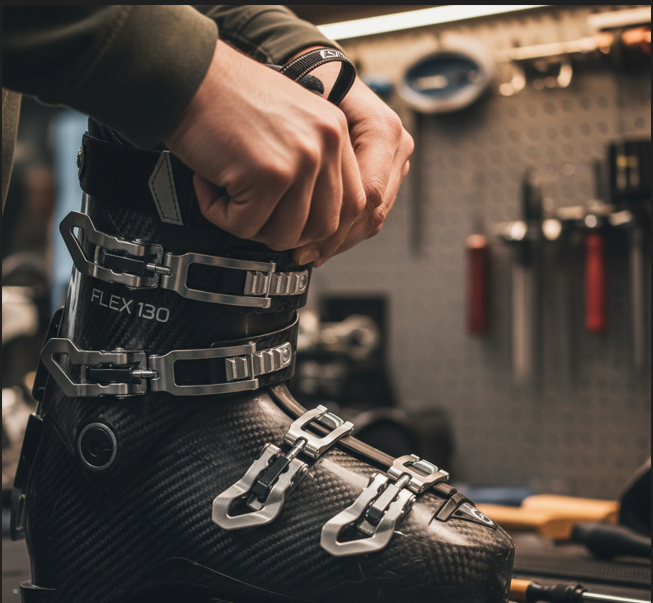
3. Bootfitting PSA: The 40% Off Trap
Buying skis on clearance is a gamble; buying boots on clearance is often a disaster.
A ski boot is the most technical piece of equipment you own. It’s the "steering wheel" of your setup. Retailers often slash boot prices by 40% in April to clear the shelves, but remember:
-
Bootflex Changes with Temp: A boot that feels "just right" in a 72°F shop will feel significantly stiffer in 20°F January air.
-
The "Last" Matters: If you have a wide foot and buy a "Low Volume" boot just because it was cheap, you will spend your entire 2027 season in pain.
-
The Cost of Correction: By the time you pay a professional bootfitter to fix the "clearance boot" (punching shells, custom footbeds, heat molding), you will likely have spent more than if you just bought the right boot at full price in November.
The Rule: If the boot doesn't fit perfectly in the shop, the discount isn't high enough to justify the pain.
4. Technical Checklist for the Spring Buyer
Before you tap your card, run through this 30-second "Hustle Check":
-
Binding DIN: Ensure the included bindings have a DIN range that accommodates your ability. Don't buy a "Junior" binding just because it came with the clearance ski.
-
The "Core" Check: Ask if the ski was a "fleet demo." If so, check for base welds (P-Tex repairs) near the edges.
-
Warranty: Verify that "Clearance" doesn't mean "Final Sale/No Warranty."
Conclusion: Value is Found in the Fit, Not the Price
The 2026 gear cycle is coming to an end. There are incredible deals to be had, but only if you stay disciplined. Buy the length you need, the flex you can handle, and the boot that fits your foot—not your budget.
What’s the "too good to be true" deal you’re looking at right now? Drop the model and price in the comments, and our resident gear nerds will tell you if it’s a "Steal" or a "Scam"!
Ready to Hit the Slopes?
Visit Arizona Snowbowl for an unforgettable skiing experience
[Affiliate Link Placeholder - Book Your Trip]