Spring Waxing 101: Why Your Skis Are Sticking and How to Fix It
You’re flying down a wide-open run in the April sun, feeling like a hero, when suddenly—BAM. It feels like someone slammed on the invisible brakes. Your chest lunges forward, your tips dive, and you barely manage to stay upright.
You haven't hit a rock, and there’s no grass in sight. You’ve just fallen victim to The Suction.
In the winter, snow is your friend. In the spring, snow is a thirsty sponge that wants to hold onto your skis and never let go. If you are using the same "Universal Wax" that worked in January, you are essentially skiing on flypaper.
The Promise: By the end of this guide, you’ll understand the physics of why your skis stick and how to use wax and "structure" to turn your sluggish planks back into rockets.
1. The Science of High-Water Content Snow
To fix the stick, you have to understand the enemy. Spring snow is unique because of its high liquid water content.
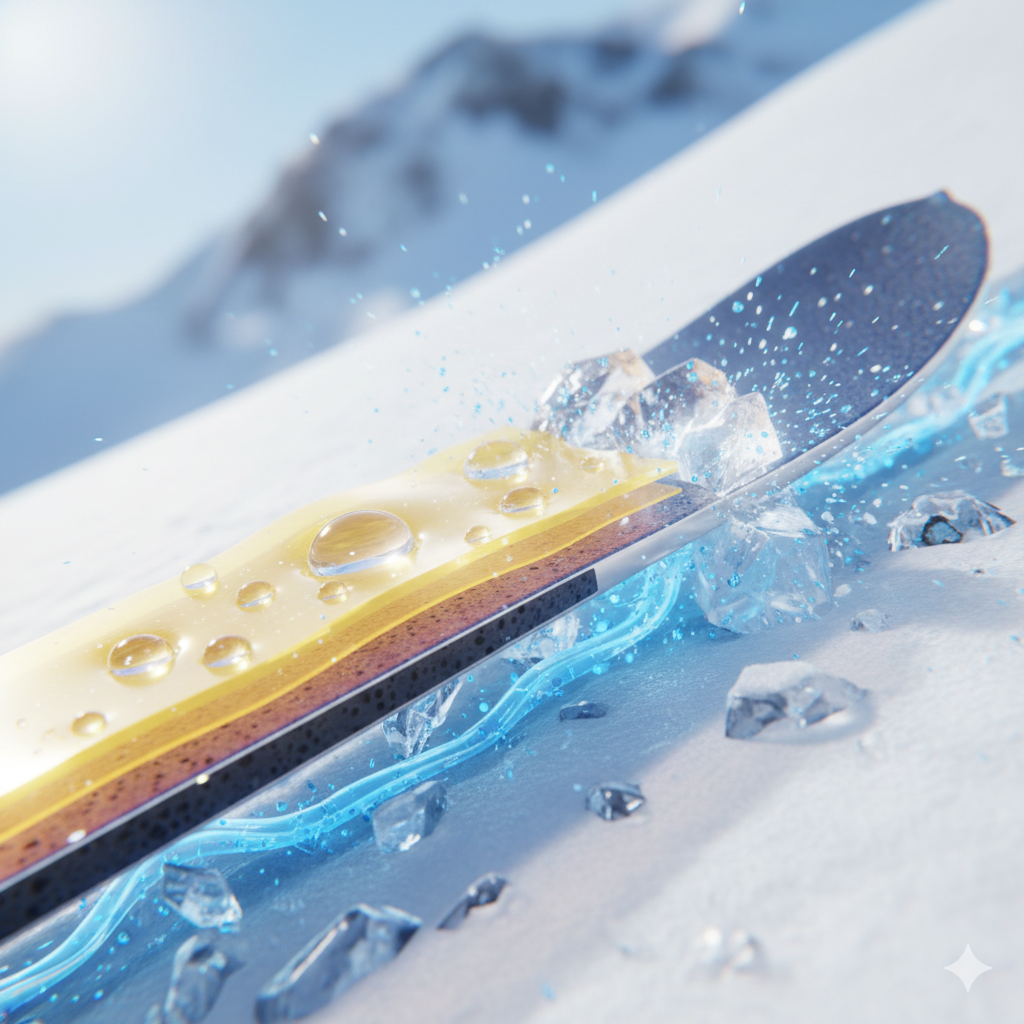
When your ski slides over snow, friction creates a microscopic layer of water that acts as a lubricant. In the winter, this layer is thin and perfect. In the spring, however, the snow is already melting. The layer of water becomes too thick, creating a vacuum seal (suction) between your flat ski base and the wet snow.
Think of it like two wet pieces of glass pressed together—they are nearly impossible to pull apart. Your job as a spring tuner is to break that seal.
2. Warm Weather Wax vs. Universal Wax: The Color Code
Most skiers use "All-Temp" or "Universal" wax. While fine for mid-winter, these waxes are too hard for April.
-
Universal Wax: Designed for a broad range, usually leaning toward colder temps. It’s "hydrophobic" but not specialized for high-volume water.
-
Yellow/Red Wax (The Spring Heroes): Warm-weather waxes (often color-coded Yellow for +0°C and Red for mid-range) are much softer. They contain higher concentrations of additives (like paraffin or fluor-alternatives) specifically designed to repel bulk water.
The Pro Secret: If you’re heading out for a 2026 spring trip, strip your old cold wax entirely. A fresh coat of "Yellow" wax will feel like adding a turbocharger to your skis.
3. DIY Tutorial: Structure Brushing to Break Suction
Wax alone isn't enough when the snow is "rotten." You need structure. Structure refers to the tiny grooves in your ski base that allow air to get under the ski, breaking the vacuum seal.
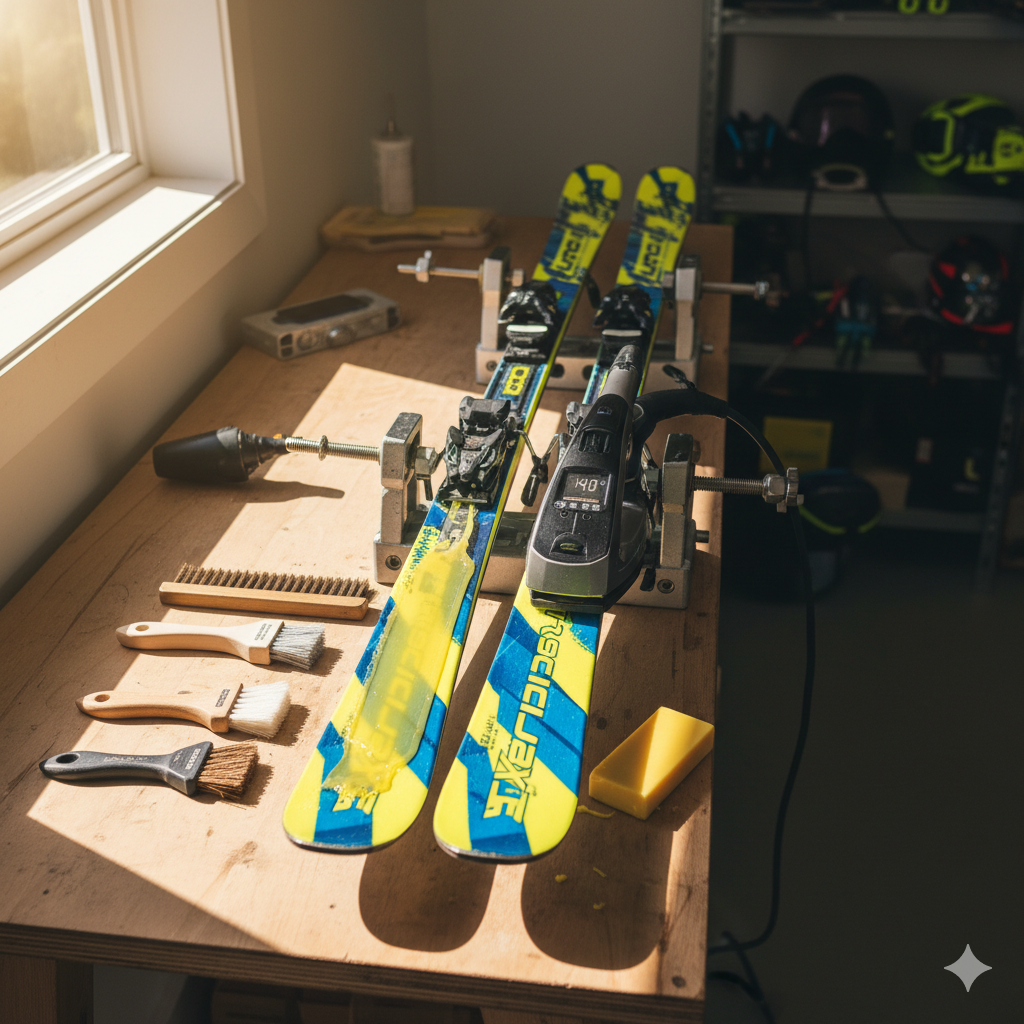
The Brushing Workflow:
-
Hot Wax: Apply your warm-weather wax with a dedicated iron.
-
Scrape: Scrape while the wax is still slightly warm (not ice cold) to ensure you don't pull the soft wax out of the base pores.
-
The Bronze Brush: Use a stiff bronze or brass brush. Brush firmly from tip to tail. This cleans the wax out of the existing stone-grind structure of your ski.
-
The Hard Nylon Brush (The Key): Use a stiff nylon brush to create "micro-channels" in the wax.
-
The Finish: If the snow is incredibly wet, use a structuring tool (a small roller with a pattern) to press a temporary "V-shape" or "Cross-hatch" pattern into the base. This acts like the tread on a rain tire, channeling water away so the ski can breathe.
4. Quick Fix: Rub-On Waxes for a Day on the Hill
We’ve all been there: You didn't have time to tune, and by 11:00 AM, you're sticking. Don't call it a day yet.
Rub-on pastes and liquid waxes are the "emergency room" of spring skiing.
-
How to use: Dry your ski base as much as possible with a paper towel. Apply the liquid or paste wax, let it haze over for 2 minutes, and then buff it vigorously with a piece of cork or a felt pad.
-
The Catch: These only last 2–3 runs because they don't penetrate deep into the base. Keep a small tin in your pocket and re-apply at the top of the gondola.
5. Beware of "Dirty" Snow
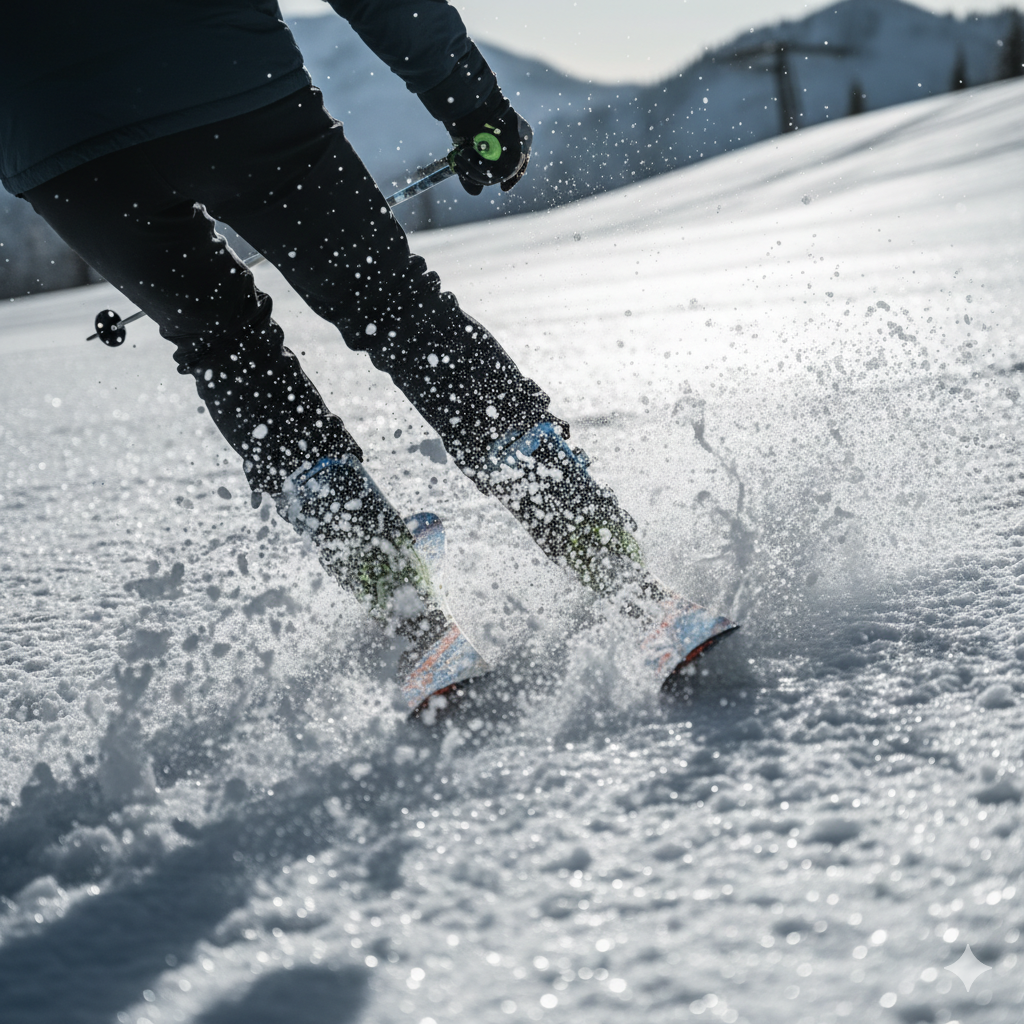
Spring snow isn't just wet; it's filthy. As snow melts, it concentrates months of pine needles, tree sap, and exhaust from the lift engines. This "shmoo" sticks to your wax and creates even more friction.
Local Tip: After a long spring day, use a citrus-based base cleaner to remove the black grime before applying your next coat of wax. If you just wax over the dirt, you’re sealing the friction in!
Conclusion: Glide Like a Local
Spring skiing is only a struggle if you're unprepared. With the right warm-weather wax and a bit of structure, you’ll be zooming past people who are literally walking down the flats.
Have you ever experienced "The Suction" on a warm afternoon? What's your go-to wax brand for the 2026 season? Share your spring tuning horror stories (or successes) in the comments below!
Ready to Hit the Slopes?
Visit Arizona Snowbowl for an unforgettable skiing experience
[Affiliate Link Placeholder - Book Your Trip]