Slush, Ice, and Corn: How to Read Spring Snow Conditions Like a Local
You click into your bindings at 9:00 AM, expecting a glorious spring day, only to vibrate your teeth out on a sheet of "bulletproof" blue ice. Frustrated, you head for an early lunch, but when you return at 1:00 PM, the mountain has turned into a heavy, leg-burning swamp of wet suction.
Does this sound familiar? Most skiers treat spring conditions like a roll of the dice, but locals know it’s actually a clockwork science. In the spring, the mountain isn't just one terrain—it's four different surfaces that evolve every hour.
The Promise: By the time you finish this article, you will be able to read the texture of the snow from the chairlift, time your runs to the minute, and hunt down the elusive "Corn Snow"—the holy grail of spring skiing that feels just as good as powder.
1. The Science of the "Freeze-Thaw" Cycle
To ski like a local, you must understand the Freeze-Thaw Cycle. Unlike winter, where snow stays consistent due to cold air, spring snow is governed by the sun.
During a clear spring night, the moisture in the snowpack freezes solid, creating a hard, icy crust. As the sun rises and hits the slopes, this ice begins to melt from the top down.
-
The Freeze: Creates "bulletproof" ice in the morning.
-
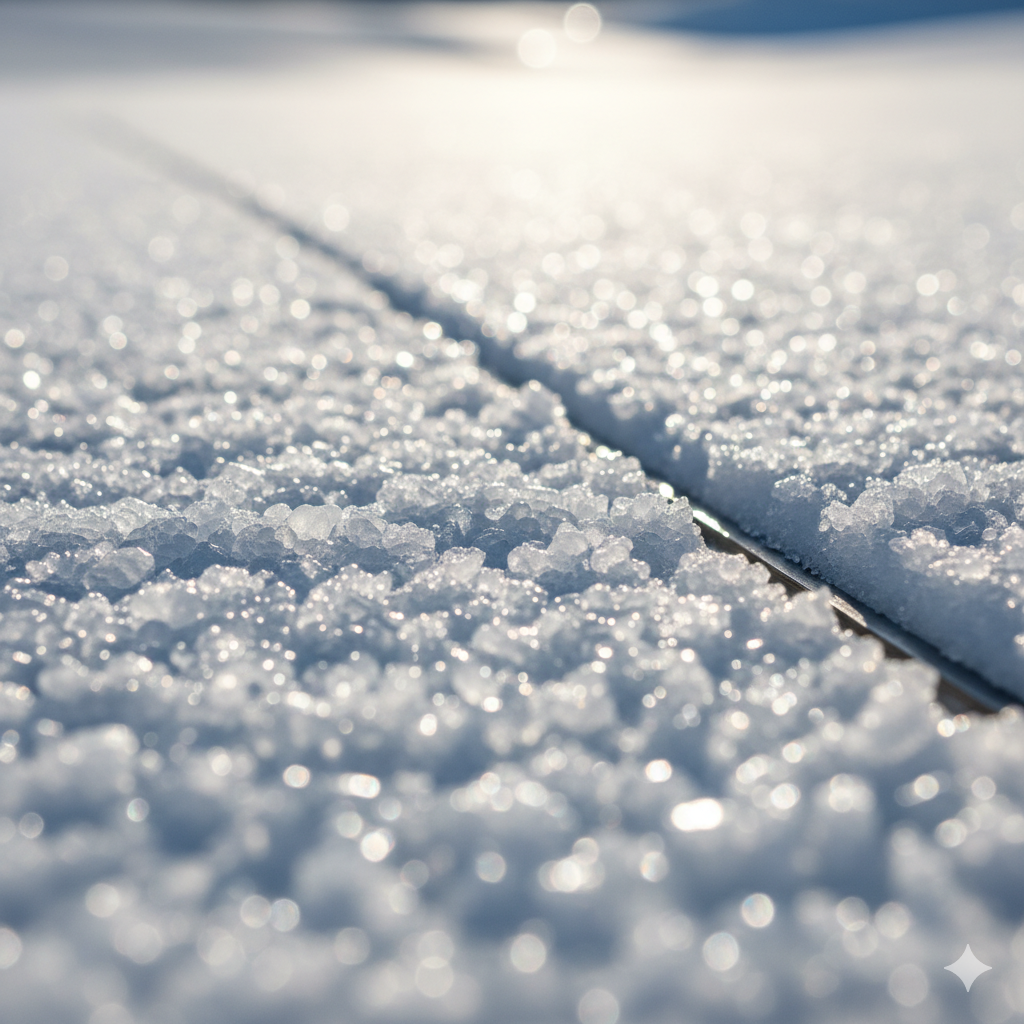
The Transition: The surface melts just enough to create a 1-2 inch layer of loose crystals over a firm base. This is Corn Snow.
-
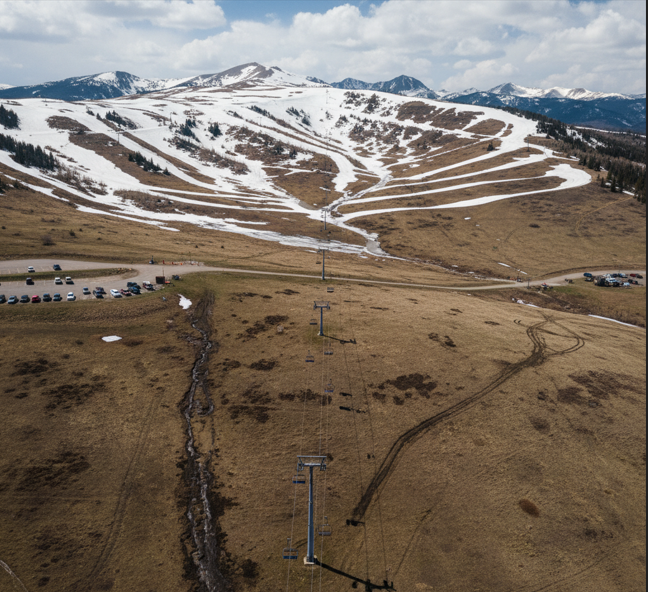
The Thaw: The melt penetrates deep into the snowpack, turning it into heavy, saturated slush.
Local Secret: If it didn't freeze overnight (e.g., a cloudy, warm night), skip the early start. The snow will be "rotten" (soft to the bottom) from the first chair.
2. Timing Your Day: The Sun-Chaser’s Strategy
In the spring, you don't follow the crowds; you follow the sun. The mountain "ripens" in a specific geographical order: East, South, West, North.
The Morning (9:00 AM – 10:30 AM): The East & South Faces
East-facing slopes get the first light. While the rest of the mountain is still an ice rink, the eastern groomers will soften first. Start here for those crisp, early-morning carves.
The Sweet Spot (10:30 AM – 1:00 PM): The Groomers to the Bowls
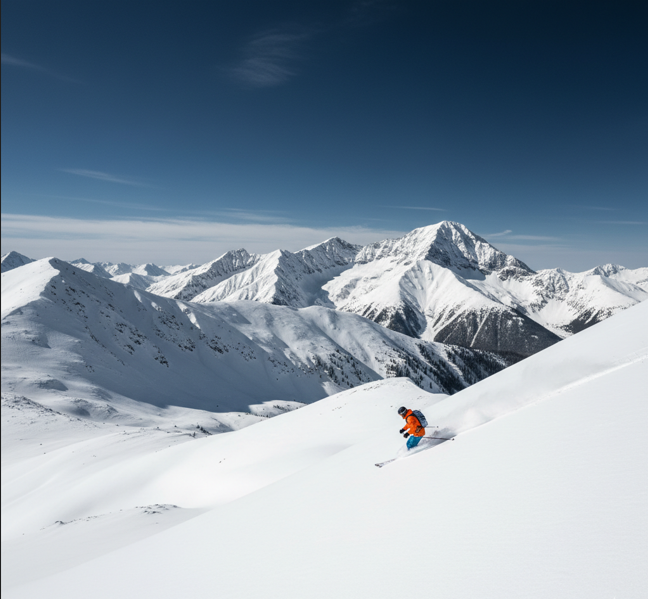
This is the "Golden Era" of the day. As the sun moves higher, south-facing bowls begin to "corn up." This is the time to leave the groomed runs and head into the alpine. The snow will be soft enough to edge deeply but firm enough to support your weight.
The Afternoon (1:00 PM – 4:00 PM): The North Face & The "Download"
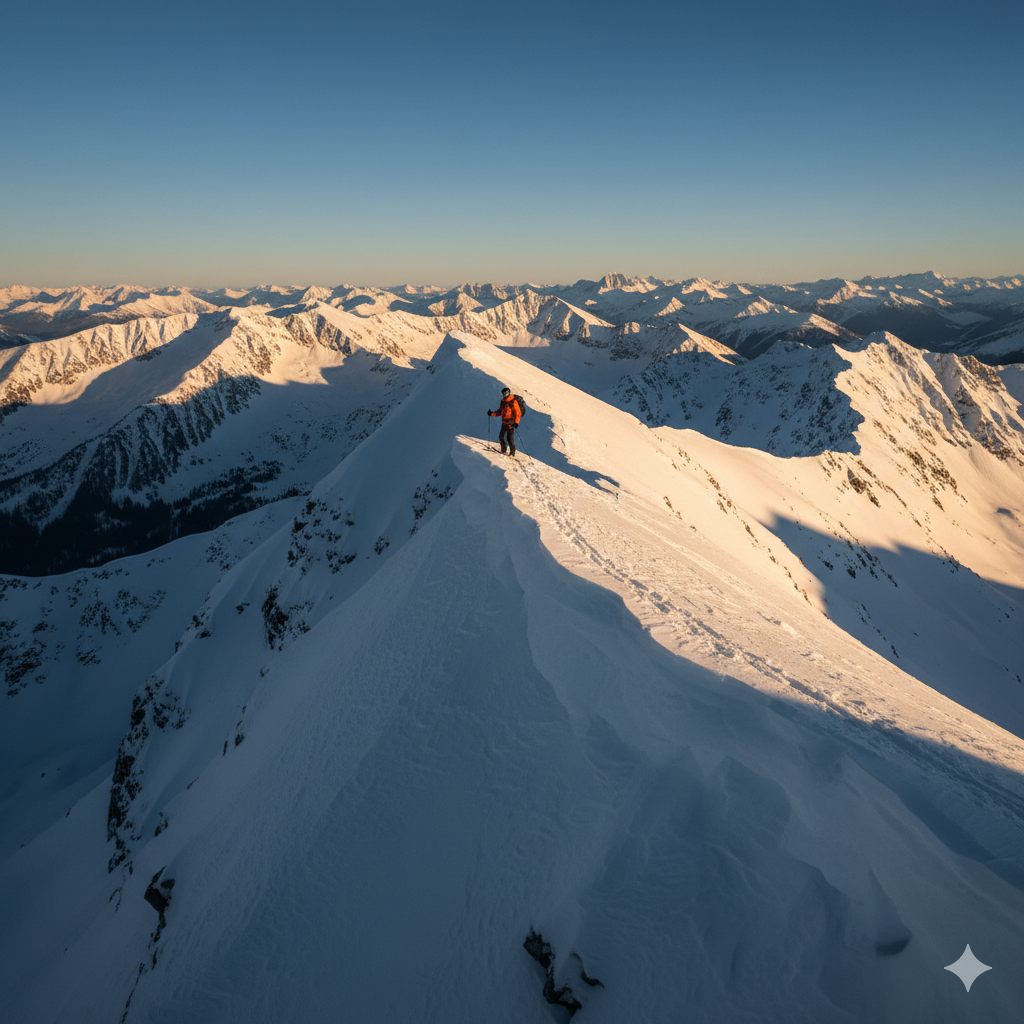
The North Face stays shaded the longest, meaning it preserves its structure even when the rest of the mountain is melting. When the lower mountain turns into a swamp, head to the highest, most northern-facing terrain you can find.
3. Visual Guide: Identifying "Corn" vs. "Mashed Potatoes"
Knowing what you’re looking at from the chairlift can save your knees.
What is Corn Snow?
Corn snow consists of large, rounded ice crystals that have gone through several freeze-thaw cycles.
-
Visual: It looks like shiny, wet kernels of corn or coarse salt.
-
The Feel: Smooth, predictable, and incredibly fast. It’s "Hero Snow"—it makes everyone look like a pro.
What are "Mashed Potatoes"?
This happens when the snow becomes 100% saturated with water.
-
Visual: The snow looks dull, heavy, and leaves deep "trench" tracks. You might see "rollerballs" (small chunks of snow rolling down the hill on their own).
-
The Danger: This snow is "sticky." It can grab your ski tips and cause sudden decelerations, leading to ACL injuries. If the snow feels like it’s trying to steal your boots, it’s time to head to the après-ski deck.
4. Pro Tips for Navigating the Slush
-
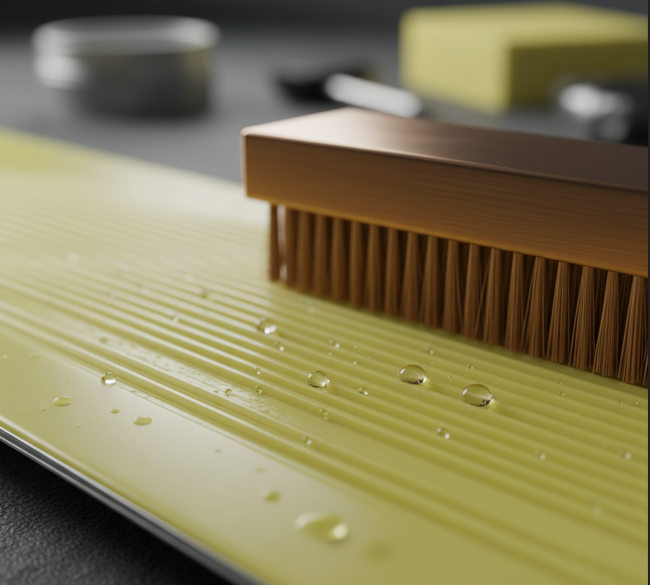
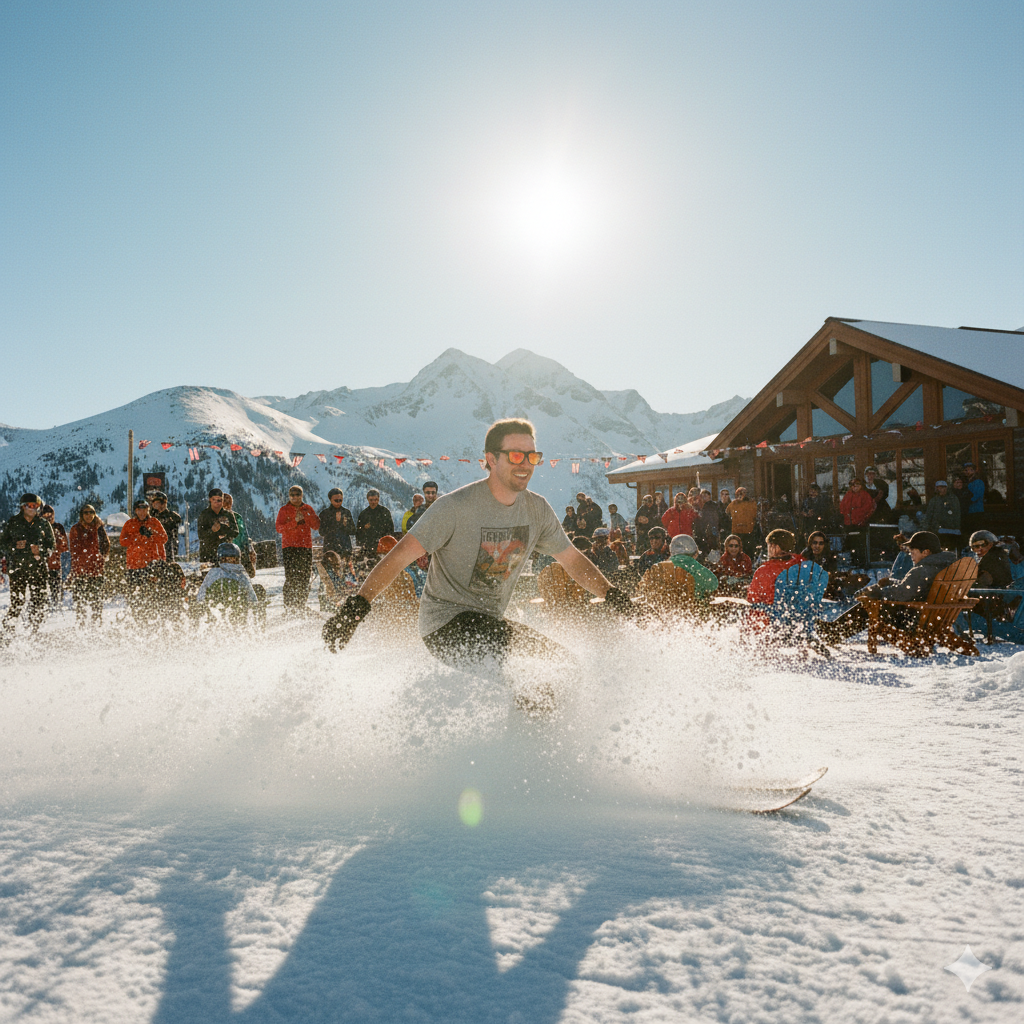
Wax is King: Spring snow is full of suction and pollen. Use a warm-weather wax (yellow or red) or a fluorocarbon-free spring overlay. Without it, your skis will feel like they’re stuck in glue.
-
Stay Balanced: In heavy slush, don't lean too far forward. Keep a neutral, athletic stance and use "round" turns rather than sharp, jerky movements.
-
Hydrate: Spring skiing is a workout. You’re fighting heavier snow and higher temps. Drink twice as much water as you would in January.
Conclusion: Mastering the Melt
Spring skiing isn't just a consolation prize for the end of winter; for those who know how to read the "Freeze-Thaw" clock, it’s the most rewarding time of the year. Chase the sun, find the corn, and know when to quit.
What’s your favorite spring skiing "hack"? Are you a "first chair ice-warrior" or a "noon-time slush-cruiser"? Let us know in the comments below—we’re giving away a 2026 Spring Tuning Kit to the best tip!
Ready to Hit the Slopes?
Visit Arizona Snowbowl for an unforgettable skiing experience
[Affiliate Link Placeholder - Book Your Trip]